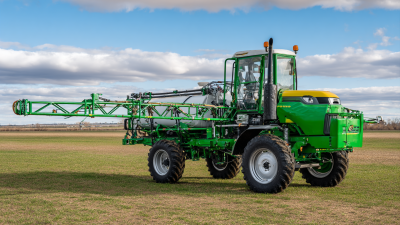
What is a 4 Wheeler Sprayer and How Can It Benefit Your Farming Needs
In the ever-evolving landscape of modern agriculture, efficient and effective spraying solutions are a necessity for farmers striving to enhance productivity and crop health. A 4 wheeler sprayer stands out as a vital tool designed to cater to these needs, as it offers a perfect blend of mobility, capacity, and precision. Renowned agricultural expert Dr. Emily Johnson emphasizes the importance of such technology in the farming sector, stating, "The application of a 4 wheeler sprayer not only saves time but also ensures that every inch of the crop is treated consistently, leading to healthier yields."
The versatility of the 4 wheeler sprayer makes it an indispensable asset for a wide range of agricultural activities. Whether it is for pesticide application, irrigation, or nutrient distribution, this equipment optimizes the spraying process, reducing the risk of over-application and safeguarding the environment. Farmers equipped with a 4 wheeler sprayer can significantly streamline their operations, allowing them to cover large fields swiftly while minimizing labor costs and maximizing efficiency.
As we delve deeper into the benefits of 4 wheeler sprayers, it becomes clear that integrating such innovative practices is crucial for farmers aiming to stay ahead in a competitive market, ensuring both productivity and sustainability for future generations.
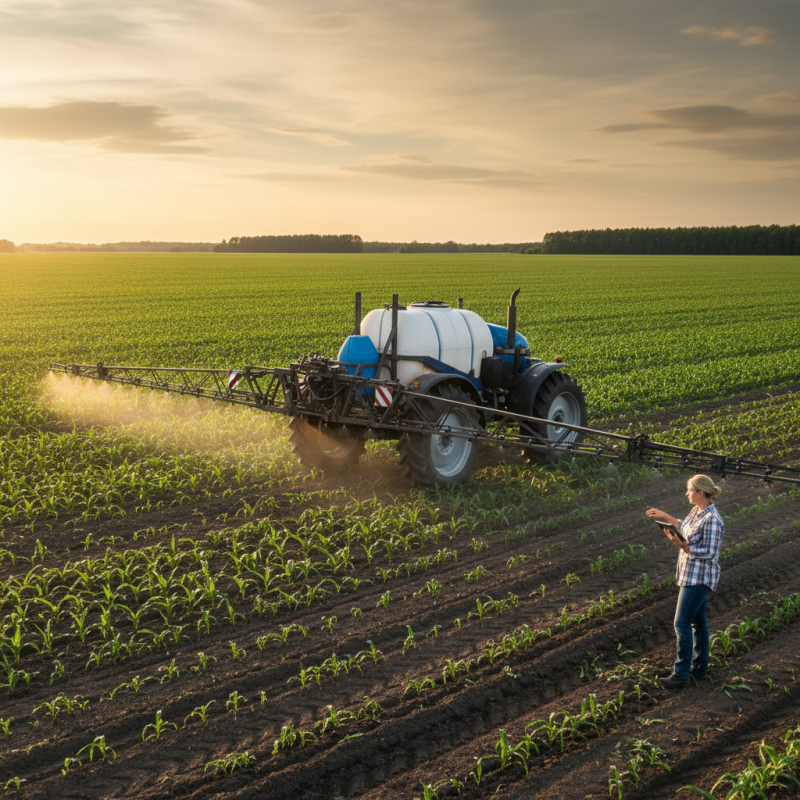
What is a 4 Wheeler Sprayer? Definition and Key Features
A 4-wheeler sprayer, also known as an all-terrain vehicle (ATV) sprayer, is a versatile piece of agricultural equipment designed for efficiently applying pesticides, herbicides, and fertilizers across a variety of terrains. These sprayers are typically mounted on lightweight, rugged vehicles that can navigate uneven landscapes, ensuring that farmers can reach all areas of their fields without extensive delays. The key features of a 4-wheeler sprayer include adjustable spray nozzles for precision application, a large tank capacity for extended use, and a portable design that makes it easy to transport between different fields.
One of the primary benefits of a 4-wheeler sprayer is its efficiency in covering large areas in a shorter amount of time. According to a report by the Agricultural Equipment Manufacturing Association, the use of ATV sprayers can increase field coverage by up to 50% compared to conventional tractor-mounted sprayers. This increase in efficiency not only reduces the time required for crop maintenance but also minimizes fuel consumption and operating costs, making it an economically viable option for many farmers. Furthermore, the enhanced maneuverability of these sprayers allows for more accurate application of chemicals, reducing waste and environmental impact, and ultimately leading to healthier crops and better yields.
What is a 4 Wheeler Sprayer and How Can It Benefit Your Farming Needs
| Feature |
Description |
Benefits |
| Mobility |
Designed for rough terrains, enabling easy access to fields. |
Increases efficiency by reaching areas that other sprayers can't. |
| Tank Capacity |
Typically holds between 200 to 500 gallons of liquid. |
Reduces the need for frequent refills, saving time and labor. |
| Application Precision |
Equipped with advanced nozzles for accurate spraying. |
Minimizes chemical use and prevents runoff, promoting sustainability. |
| Technology Integration |
Can include GPS and automated systems for enhanced control. |
Enhances data collection and operational efficiency. |
| Versatility |
Can be used for various applications beyond spraying, such as fertilizing. |
Increases utility and overall return on investment. |
The Mechanism of 4 Wheeler Sprayers: How They Operate in Farming
4 wheeler sprayers are versatile agricultural machines designed to enhance the efficiency of spraying tasks in farming. These sprayers typically feature a four-wheel design that ensures stability and mobility across various terrains, making them suitable for both large fields and uneven landscapes. They operate using a hydraulic system that allows for precise control of spray application. The sprayer is equipped with a tank that holds the liquid solution, which is then pumped through hoses to a series of nozzles. This design allows farmers to cover extensive areas quickly while maintaining a consistent spray pattern.
The operation of 4 wheeler sprayers is driven by both technology and user input. Operators can adjust parameters such as spray pressure and flow rate to suit different crops and conditions. Many modern sprayers come equipped with GPS and precision application technologies, enabling more targeted treatment of fields. This not only conserves resources like water and fertilizers but also minimizes environmental impact by reducing overspray and drift. By using 4 wheeler sprayers, farmers can achieve optimal crop health and yield while efficiently managing their labor and input costs.
Advantages of Using 4 Wheeler Sprayers Over Traditional Spraying Methods
4 wheeler sprayers have been gaining traction in modern agriculture, offering numerous advantages over traditional spraying methods. According to a report by the American Society of Agricultural and Biological Engineers, such sprayers can improve application efficiency by up to 30%, reducing both time and labor costs. They are designed to cover larger areas in a shorter amount of time, making them an ideal solution for farmers who need to manage extensive fields effectively. With their ability to navigate various terrains, these sprayers minimize soil compaction and streamline the spraying process, which is crucial for maintaining crop health.
In addition to efficiency, 4 wheeler sprayers are often equipped with advanced technology, allowing for precise control over spray patterns and chemical application rates. This capability can lead to a reduction in chemical usage by about 20% while still ensuring effective pest and weed control, according to studies by the PrecisionAg Alliance. This not only results in cost savings but also promotes environmental sustainability by reducing the overall chemical load on fields.
Tips: To maximize the benefits of 4 wheeler sprayers, farmers should regularly calibrate their equipment to ensure optimal performance. Additionally, conducting soil tests before application can guide the selection and dosage of fertilizers and pesticides, ultimately improving crop yield and health. Regular maintenance of the sprayer is also essential to prevent downtime and maintain operational efficiency throughout the farming season.
Industry Statistics: Efficiency Gains from 4 Wheeler Sprayers in Crop Yield
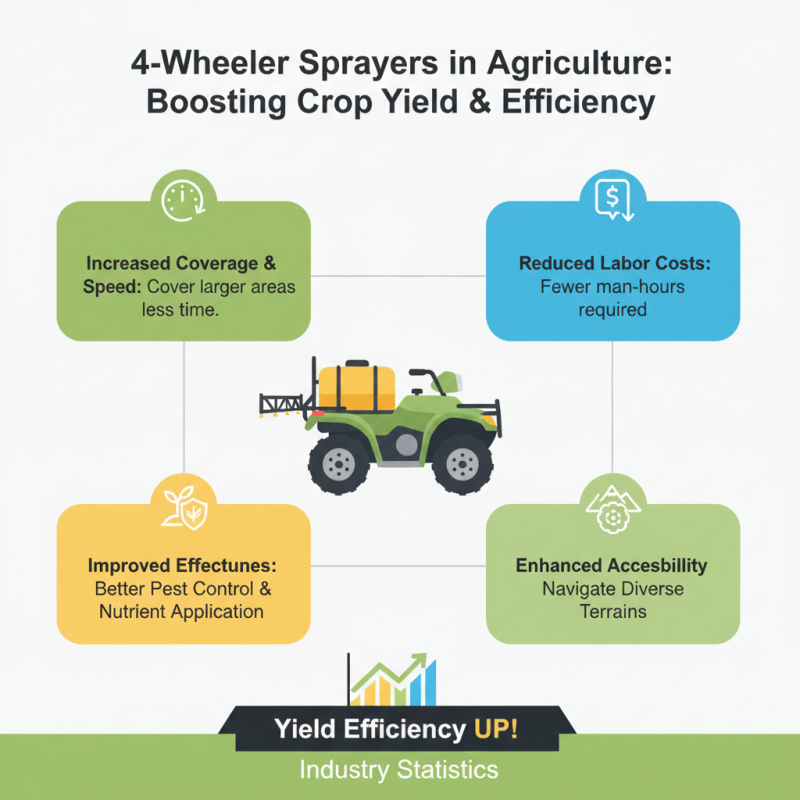
The implementation of 4 wheeler sprayers in agriculture has shown significant improvements in crop yield efficiency across various farming operations. According to industry statistics, these sprayers allow farmers to cover larger areas in a shorter amount of time, reducing labor costs and increasing the effectiveness of pest control and nutrient application. Sprayers mounted on 4 wheelers can navigate diverse terrains and reach fields that traditional equipment might struggle with, significantly increasing accessibility and productivity.
Moreover, the precision offered by modern 4 wheeler sprayers enhances their effectiveness. With the ability to customize spray patterns and quantities, farmers can ensure that their crops receive the appropriate amount of liquid, minimizing waste and environmental impact. This technology not only boosts crop health and yield but also optimizes resource use, which is vital in an era where sustainable farming practices are increasingly important. Ultimately, adopting 4 wheeler sprayers represents a strategic advantage in modern agriculture, allowing farms to achieve better results and adapt to the growing demands of food production.
Choosing the Right 4 Wheeler Sprayer: Factors to Consider for Your Farm
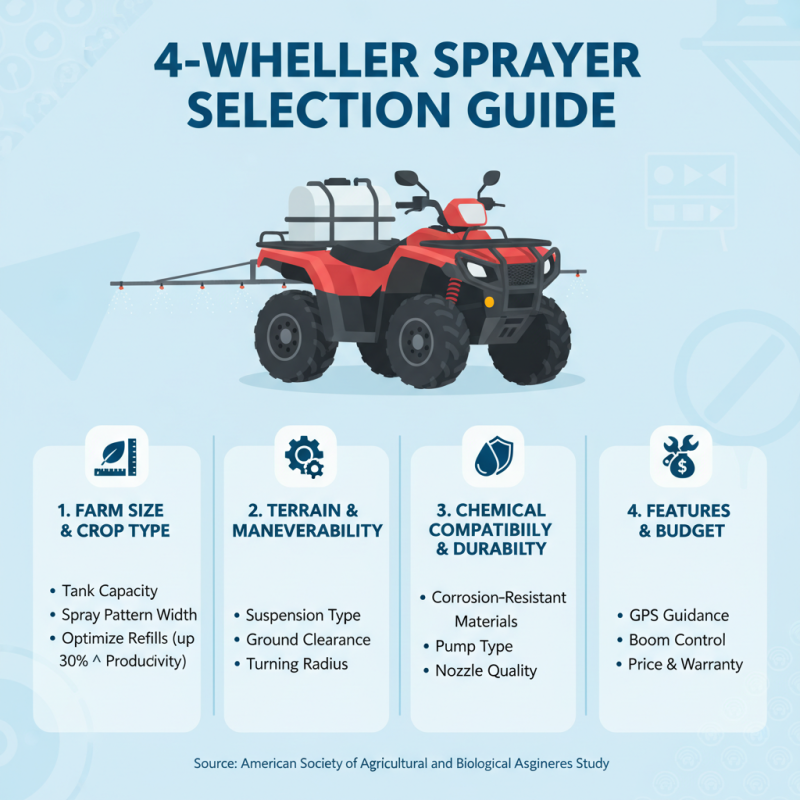
When selecting a 4 wheeler sprayer for your farming operations, several key factors should be considered to ensure it meets your agricultural needs effectively. Firstly, consider the size of your farm and the type of crops being cultivated. A sprayer's tank capacity and the width of its spray pattern can significantly influence efficiency. For instance, according to a study by the American Society of Agricultural and Biological Engineers, optimizing tank size can reduce refill times by up to 30%, enhancing productivity during peak seasons.
Another critical factor is the sprayer's nozzle type and adjustment capabilities. Different crops may require specific application rates and patterns. A comprehensive report by the CropLife Foundation indicates that proper nozzle selection can lead to a 20% reduction in pesticide use while effectively managing pest populations. Incorporating adjustable nozzles helps farmers adapt to various spray requirements, minimizing waste and achieving better coverage.
**Tip:** Always match your sprayer's capabilities to the specific tasks at hand, considering factors such as crop type and growth stage to maximize efficiency.
Lastly, think about the ease of maintenance and user-friendliness. A sprayer that is difficult to maintain can lead to higher operational costs and downtime. Industry analysis shows that well-maintained equipment can improve operational life by 50%, emphasizing the importance of choosing models that allow for quick and easy servicing.
**Tip:** Regularly inspect and maintain your 4 wheeler sprayer to prevent breakdowns and ensure optimal performance throughout the growing season.