How to Choose the Best Boom Sprayer for Your Tractor?
Choosing the best boom sprayer for tractor is crucial for effective farming. A suitable sprayer can enhance productivity and improve crop health. Farmers often face confusion due to numerous available options. This decision impacts not only the efficiency of spraying but also the long-term health of your fields.
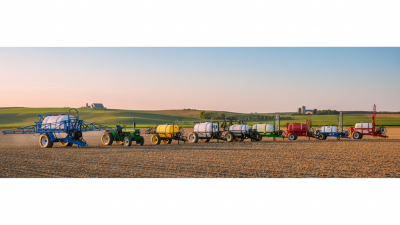
Different models cater to various needs. Some sprayers are designed for large fields, while others excel in smaller areas. Understanding the specifications of each boom sprayer for tractor is essential. This includes nozzle types, tank size, and working width. Assessing these features helps in making an informed choice.
Many farmers overlook the importance of compatibility with their tractor. It’s vital to check the fitting before purchase. Neglecting this may lead to operational challenges later. Reflecting on past experiences with various sprayers can guide you toward a smarter investment. The right boom sprayer can make a significant difference in your farming success.
Understanding the Different Types of Boom Sprayers Available
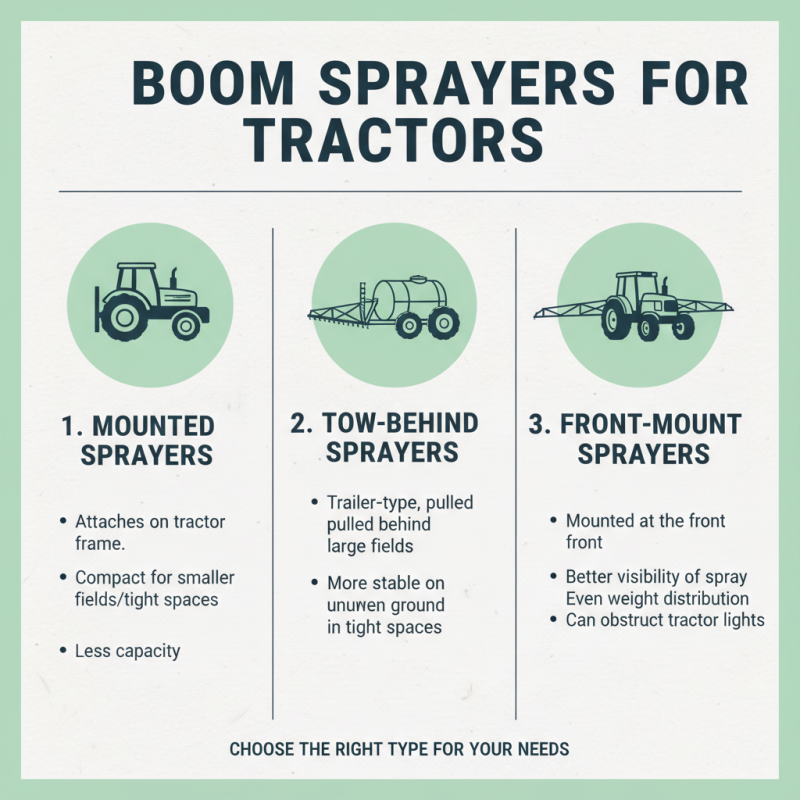
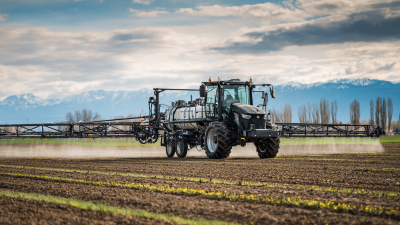
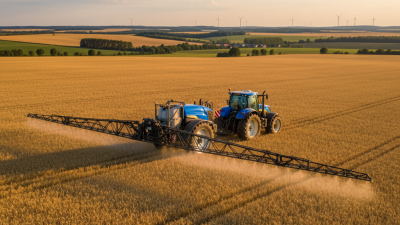
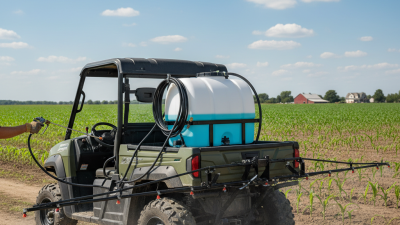
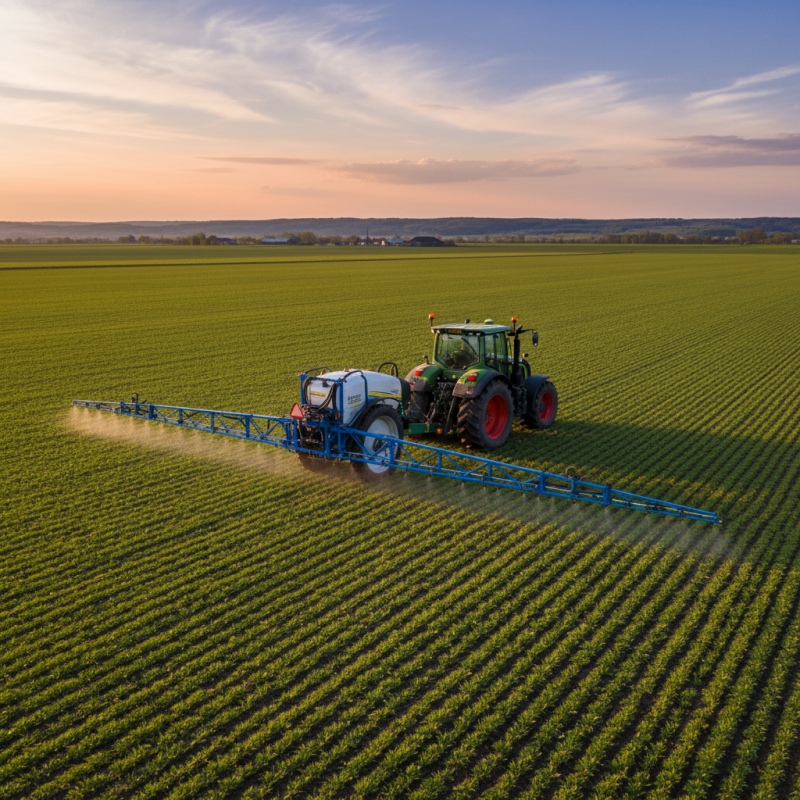
When considering boom sprayers for tractors, it's essential to understand the different types available. There are several types, each designed for specific agricultural needs. A tow-behind sprayer offers mobility and flexibility. These sprayers attach at the rear of the tractor, making them ideal for larger fields. However, they can be cumbersome in tight spaces.
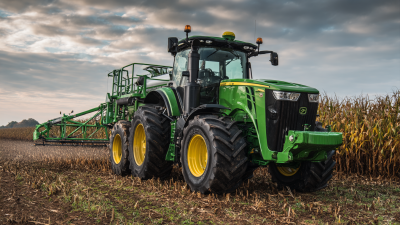
The mounted boom sprayer is another option. This type attaches directly to the tractor, providing easier handling in smaller areas. It often comes with advanced features, like hydraulic controls. Yet, the setup can be tricky. You may need assistance during installation to ensure everything functions properly. Errors can lead to uneven application and ineffective spraying.
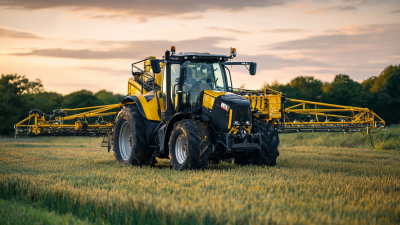
Lastly, consider the size of the spray booms. Wider booms cover more ground but can be harder to manage. A narrow boom offers precision but may require more passes. Choosing the right width depends on your field size and shape. Reflect on your specific needs carefully. Take time to evaluate your terrain before making a decision.
Assessing Your Tractor's Compatibility with Boom Sprayer Models
When selecting a boom sprayer, assessing your tractor's compatibility is crucial. Each tractor has specific design and power features that must align with the sprayer model. Measure the horsepower and hydraulic capabilities of your tractor. These aspects significantly affect how well your sprayer performs. Inadequate power can lead to inefficiencies during operation.
Consider the mounting system of both your tractor and potential boom sprayers. Compatibility in mounting ensures stability and ease of use. Furthermore, ensure the sprayer meets the necessary width for your tractor. Too wide can lead to issues in maneuverability, especially in tight spaces. Pay attention to the weight of the sprayer as well. An overly heavy unit can compromise traction and stability.
There is no universal sprayer for all tractors. Research various models to identify any potential compatibility issues. Many owners overlook these factors, resulting in poor performance. Take the time to consult with experts or fellow farmers who have experience with similar equipment. Their insights can help prevent missteps in your selection process.
Key Specifications to Consider When Choosing a Boom Sprayer
When selecting a boom sprayer for your tractor, understanding key specifications is essential. Pay attention to tank size when making your choice. Larger tanks, usually 500 to 1,500 gallons, allow longer spraying sessions without frequent refills. However, they can add weight to your tractor, affecting mobility.
Spray width and pressure are also critical factors. The width varies from 20 to 120 feet, impacting how much area can be covered in one pass. High pressure commonly ranges from 40 to 100 psi, influencing droplet size and distribution. According to industry reports, using the right pressure can enhance chemical efficacy and reduce drift.
A reliable boom sprayer should also offer adjustable heights. This feature accommodates different crop types and growth stages. Many models provide easy adjustments, but some may require tools. Evaluating ease of use is often overlooked. Performance should align with your specific agricultural needs. Research indicates that effective calibration is crucial for optimal results. Make sure to account for these specifications for a better fit and performance.
Evaluating Application Rates and Coverage of Boom Sprayers
When assessing boom sprayers for tractors, application rates and coverage are crucial. Understanding these metrics can significantly impact your farming efficiency. Research indicates that optimal application rates range from 10 to 20 gallons per acre for most crops. This range ensures effective pesticide and fertilizer distribution while minimizing waste. However, higher application rates can lead to runoff and environmental concerns.
It's essential to match your boom sprayer’s capability with your field's requirements. Coverage is more than just reaching the crops; it's about uniformity. Studies show that sprayers operating at 30 PSI provided more consistent droplets, fostering better absorption. Investing in adjustable nozzle systems allows farmers to tweak spray patterns. Yet, many overlook the importance of calibration. Inaccurate calibration can result in over-application or under-application, which jeopardizes yield.
Additionally, consider field conditions. Application performance can vary based on wind speed, humidity, and temperature. For instance, windy conditions can cause drift, reducing coverage and effectiveness. A report from the Agricultural Spraying Association highlights that nearly 30% of spray material can be lost in windy conditions. Careful planning and knowledge of these factors can help enhance the overall efficacy of your boom sprayer, leading to healthier crops and better returns.
Maintenance Tips for Maximizing the Lifespan of Your Boom Sprayer
Maintaining a boom sprayer is crucial for its longevity and efficiency. Regular cleaning prevents clogging and residue buildup. After each use, flush the system with water. This simple step ensures that chemicals do not corrode the components over time. Inspect hoses and fittings for leaks or signs of wear. Even small cracks can lead to larger issues.
Lubrication is another essential task. Apply appropriate grease to moving parts regularly. This helps reduce friction and prevent rust. Check the sprayer's nozzle for wear and replace it if needed. A worn nozzle can affect spray patterns, which may impact your application precision. Don’t overlook the importance of storing the sprayer in a dry place to avoid environmental damage.
Experience shows that operators often neglect these practices. Taking time for maintenance can seem tedious. However, a little investment in care leads to better performance. A sprayer with regular checks operates effectively, ensuring that every application counts. The effort put into maintaining your equipment pays off significantly in the long run.
How to Choose the Best Boom Sprayer for Your Tractor? - Maintenance Tips for Maximizing the Lifespan of Your Boom Sprayer
| Feature |
Description |
Maintenance Tips |
| Spray Width |
The width of the area that can be covered in one pass. |
Regularly check and adjust to ensure even coverage. |
| Tank Capacity |
Volume of liquid that the sprayer tank can hold. |
Clean the tank thoroughly after each use to prevent residue buildup. |
| Pressure Settings |
Adjustable settings for different spraying scenarios. |
Calibrate pressure regularly for optimal performance. |
| Spray Nozzles |
Types of nozzles that determine droplet size and spray pattern. |
Inspect and clean nozzles regularly to avoid clogs. |
| Control System |
Method of controlling spray operation, either manual or automatic. |
Test the control system before each use to ensure functionality. |