How to Choose the Best Spot Sprayer for Your Gardening Needs?
Choosing the right spot sprayer can significantly impact your gardening experience. Whether you’re dealing with weeds, pests, or diseases, an effective sprayer saves time and effort. Spot sprayers are versatile tools that target specific areas, making them ideal for both small patches and larger gardens.
When selecting a spot sprayer, consider your garden's unique needs. Look at factors like tank size, pump type, and spraying range. Different sprayers suit different tasks, from applying herbicides to liquid fertilizers. It's essential to understand which features matter most to your gardening routine. A spot sprayer with adjustable nozzles could enhance precision.
However, don't rush your decision. Reflect on past sprayer experiences. Did you find your previous sprayer cumbersome? Did it lack power? Each detail matters in choosing a reliable spot sprayer. Weigh your options carefully. The right choice can lead to a flourishing garden.

Understanding the Different Types of Spot Sprayers Available
When it comes to spot sprayers, understanding the different types is crucial for effective gardening. There are generally three main types: backpack sprayers, hand-held sprayers, and tow-behind sprayers. Each type serves a unique purpose. You should choose one based on your garden size and the specific tasks ahead. Reports show that backpack sprayers are most popular among hobby gardeners, comprising 45% of the market. They allow for precision and easy maneuverability, especially in tight spaces.
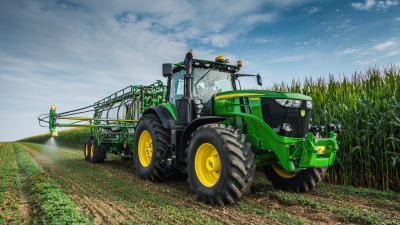
Hand-held sprayers are excellent for smaller areas. These are lightweight and easy to use, making them ideal for quick applications. However, they may not cover larger gardens effectively. In contrast, tow-behind sprayers are perfect for extensive properties. They connect to a lawn tractor and can spray wide areas quickly, which is useful for larger plots. While they are efficient, they are not as exact as backpack sprayers.
Adjusting your choice based on these considerations can be tricky. It's essential to evaluate your gardening needs carefully. The right sprayer can lead to better results, but the wrong one may result in wasted time and resources. Ultimately, understanding each option's strengths and limitations allows for informed decisions in creating a thriving garden.
How to Choose the Best Spot Sprayer for Your Gardening Needs?
| Type of Spot Sprayer |
Capacity (Gallons) |
Pump Type |
Pressure (PSI) |
Weight (lbs) |
Ideal Use |
| Backpack Sprayer |
4 |
Piston Pump |
40 |
15 |
Small Gardens |
| Handheld Sprayer |
2 |
Manual Pump |
30 |
5 |
Indoor Plants |
| Tow-Behind Sprayer |
15 |
Diaphragm Pump |
60 |
45 |
Larger Properties |
| Electric Sprayer |
5 |
Electric Pump |
50 |
10 |
Medium Gardens |
| Battery-Powered Sprayer |
3 |
Battery Pump |
40 |
8 |
Small to Medium Areas |
Key Features to Consider When Selecting a Spot Sprayer
When selecting a spot sprayer for your gardening needs, certain key features are crucial.
Tank capacity is one of the most important aspects.
A larger tank allows for longer spray times without frequent refills.
However, a larger tank also increases weight. It might be hard to maneuver in tight garden spaces.
Balance is essential when considering size.
Nozzles and spray patterns are another vital aspect.
Different nozzles provide varied spray patterns. Some offer a fine mist, while others discharge a solid stream.
Choose according to your specific plants and areas.
Adjustable nozzles can be very helpful. However, swapping nozzles can be tedious.
Additionally, consider the power source.
Spot sprayers can be battery-operated, gas-powered, or manual.
Battery sprayers offer convenience but may require regular charging.
Manual sprayers provide great exercise but can be tiring.
Reflect on your gardening habits.
How often do you spray?
A sprayer that meets your frequency and size requirements is ideal.
Evaluating the Size and Capacity of Spot Sprayers for Your Garden
When evaluating the size and capacity of spot sprayers for your garden, consider the area you need to cover. For small gardens, a sprayer with a capacity of 2 to 5 gallons may suffice. However, if you're managing larger spaces, opt for sprayers that hold 15 gallons or more. Don’t overlook how frequently you'll be spraying, as this impacts your choice. A larger capacity can reduce refilling time.
Tips: Always assess your garden layout. Measure the square footage and think about your plant types. Different plants may require different treatment intervals. If you often miss spots, a sprayer with adjustable nozzles is a smart choice.
Pay attention to the weight of the sprayer. A heavier unit may be challenging to maneuver, especially in tight spaces. A lightweight option could ease your workload. Don't forget the power source, too. Electric models may limit your reach. Manual options offer flexibility but require more physical effort. Keep a balance between ease of use and your garden's needs.
Assessing the Power Source Options for Spot Sprayers
When choosing a spot sprayer, the power source is crucial. You can opt for electric, battery-operated, or gas-powered sprayers. Each option has advantages and disadvantages. Electric sprayers are usually lighter and quieter, making them easier to handle. However, they require access to a power outlet. This can limit mobility in larger gardens.
Battery-operated sprayers provide versatility. They are portable and allow you to spray anywhere without cords getting in the way. Yet, the battery life can be a concern. A sprayer may run out of power mid-task. Always check battery specifications before purchasing. This essential detail can save you time and frustration.
Gas-powered sprayers offer strong performance for heavy-duty tasks. They can cover larger areas quickly. But, they tend to be heavier and noisier. Additionally, they require maintenance and produce emissions. Assess your garden size and needs closely. Reflect on what will work best for you. Making a rushed decision can lead to regret later.
Power Source Options for Spot Sprayers
Budgeting for Your Spot Sprayer: Cost vs. Value Considerations
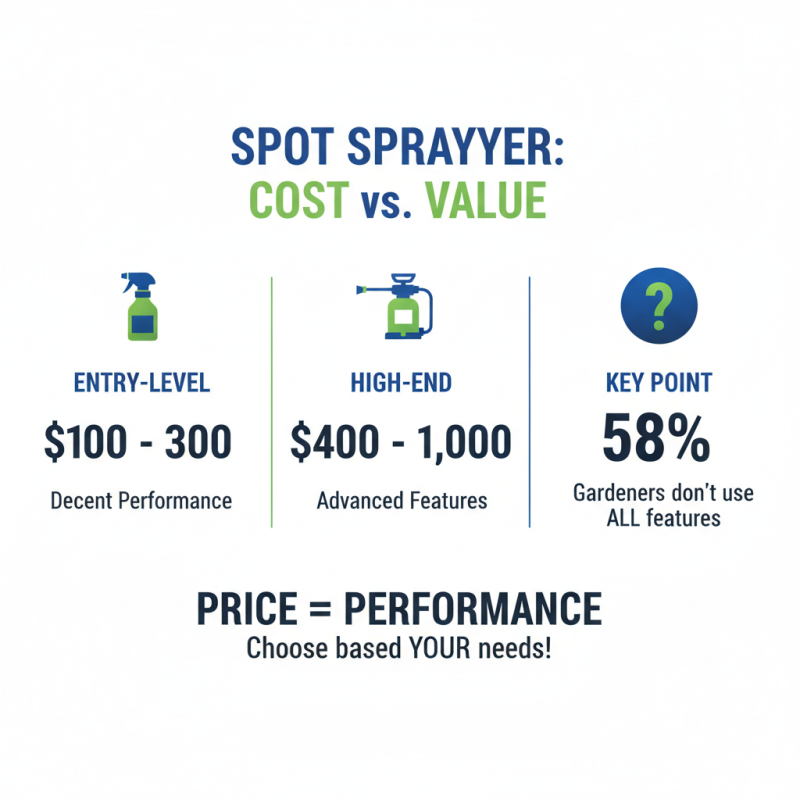
When budgeting for a spot sprayer, understanding cost versus value is crucial. A decent entry-level sprayer typically costs between $100 and $300. Higher-end models may range from $400 to $1,000. However, price does not always reflect performance. Research suggests that around 58% of gardeners do not fully utilize their sprayer’s features.
It's essential to evaluate what you really need. For smaller gardens, a budget sprayer may suffice. These can handle basic tasks effectively. In contrast, a larger property may require a more durable and versatile option. A report from the National Gardening Association indicates that 45% of homeowners regret not investing in a higher-quality sprayer. Investing in better materials and technology often means fewer repairs and replacements.
While initial costs matter, think long-term. A sprayer that works efficiently saves time and reduces chemical waste. A poorly chosen model may lead to overspending in the long run. Reflect on your gardening needs and frequency of use. Sometimes, saving a few dollars upfront can cost you more later. It's a balance of immediate budget and enduring value that every gardener must consider.