How to Choose the Best UTV Sprayer for Your Needs?
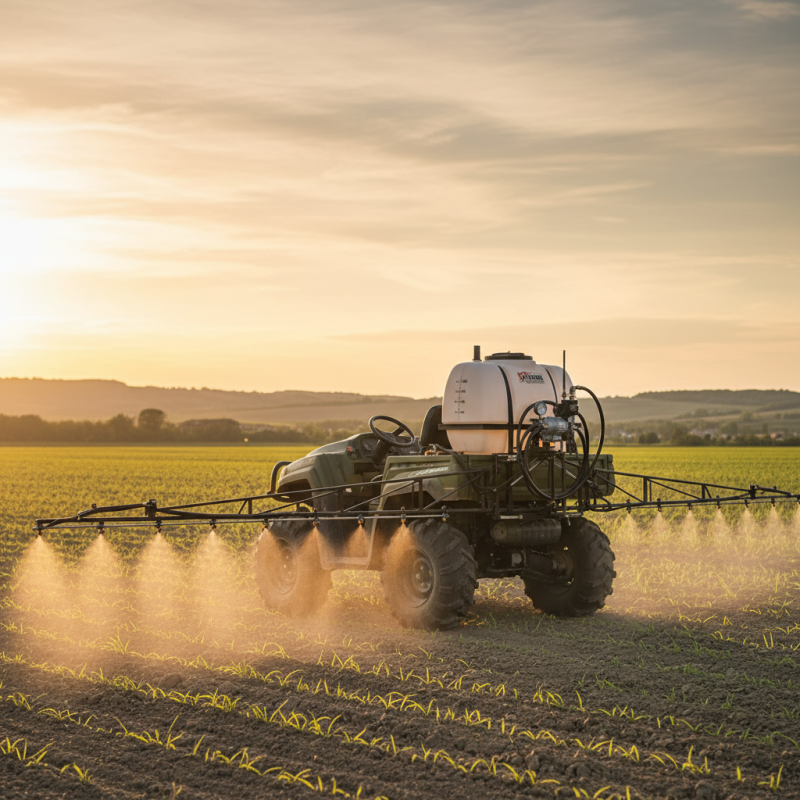
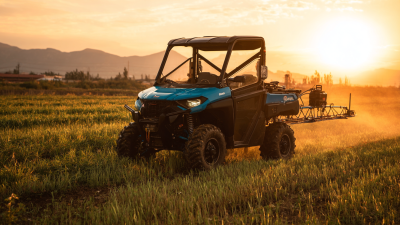
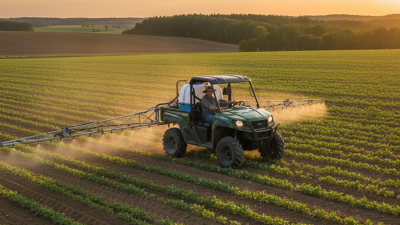
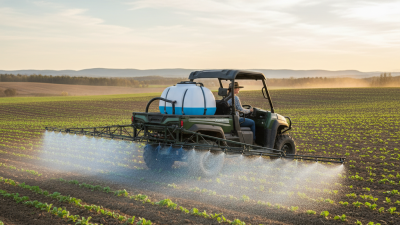
Choosing the right UTV sprayer can greatly enhance your efficiency and productivity. With a plethora of options available, understanding your specific needs is crucial. UTV sprayers come in various designs and sizes, each tailored for different applications. From agricultural use to landscaping, the right choice can save time and effort.
Consider factors such as capacity, pressure, and nozzle types when selecting a UTV sprayer. It’s essential to match the sprayer's features with your intended use. Heavy-duty tasks require robust designs, while smaller jobs may only need basic models. Always evaluate the terrain you'll cover as well.
Investing in a quality UTV sprayer can lead to cost savings in the long run. A durable and efficient model reduces downtime and maintenance costs. However, it’s easy to overlook smaller details that can significantly affect performance. Reflect on what you need most and choose wisely.
Understanding Your Spraying Needs and Applications
When selecting a UTV sprayer, understanding your specific spraying needs is crucial. Different applications require different sprayer types. For instance, agricultural use often needs larger tanks and wider spray widths. A study by the American Society of Agricultural and Biological Engineers indicates that optimal spray coverage can vary between 10 and 30 gallons per acre, depending on the crop type. This data emphasizes the need for sprayers that can adjust flow rates effectively.
Beyond agricultural use, consider landscape maintenance and pest control applications. Sprayers for these purposes might need finer droplet size for better coverage. According to a report from the National Association of Landscape Professionals, using appropriate equipment can increase efficiency and reduce chemical runoff. Sprayers with features like adjustable nozzles can help achieve the right application rates and coverage.
However, choosing the right UTV sprayer isn’t just about specifications. It’s also about integration with your existing equipment and workflow. Some find that compatibility issues arise, leading to inefficiencies. Reflecting on the user experience can highlight areas for improvement in your setup. Being aware of these details can lead to better investment decisions and outcomes for your spraying tasks.
UTV Sprayer Capacity Comparison
Evaluating UTV Compatibility and Size Requirements
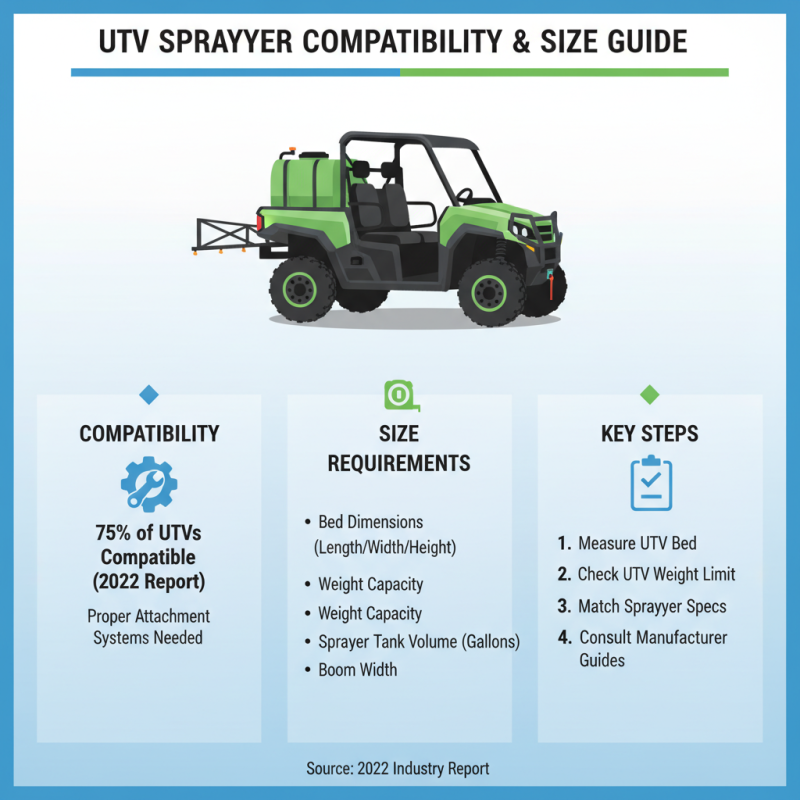
Choosing the right UTV sprayer involves more than just performance. Evaluating compatibility with your UTV and understanding size requirements is crucial. In the UTV market, the number of compatible models continues to grow. According to a 2022 industry report, nearly 75% of UTV models on the market can accommodate sprayers with proper attachment systems. This highlights the need for accurate measurements and fitting assessments.
Size requirements vary significantly among different UTVs. Many sprayers are designed to fit specific dimensions or weight limitations. A sprayer that’s too large can affect vehicle stability and handling. For instance, a report indicated that improper weight distribution could impact a UTV’s performance by over 30%. It’s essential to pay attention to the weight of the sprayer and its impact on your UTV's capabilities.
It’s also important to assess how often you will use the sprayer. If you need frequent applications, a lightweight model might be best. However, larger sprayers can deliver higher volumes, which may be more efficient for your needs. Understanding these factors can help you make an informed decision. Balancing compatibility and size will ensure your UTV sprayer meets your operational demands effectively.
Exploring Key Features and Functions of UTV Sprayers
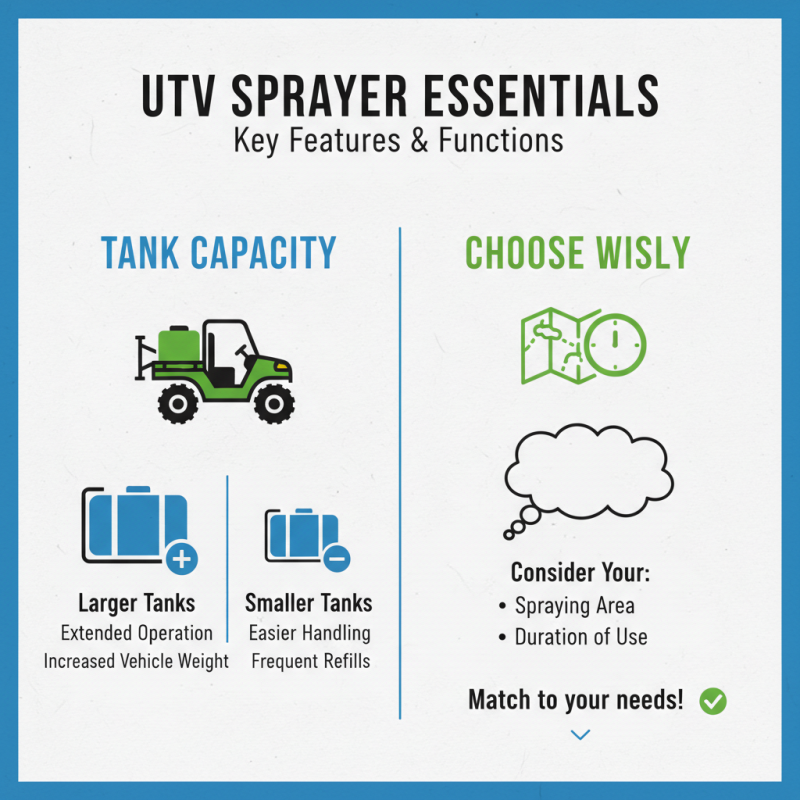
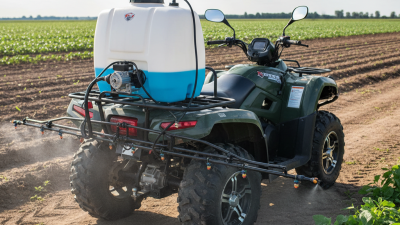
When exploring UTV sprayers, key features and functions significantly impact your choice. One essential aspect is tank capacity. Larger tanks allow more extended operations but increase vehicle weight. Smaller tanks are easier to handle but may require more frequent refills. Consider your spraying area and duration.
Another critical feature is the type of spray nozzle. Adjustable nozzles provide versatility for various tasks, from wide coverage to targeted spraying. A high-quality pump ensures efficient fluid delivery. Battery-operated sprayers offer convenience but may have limited run time. Assess the balance between power and endurance based on your requirements.
Remember, ease of maintenance matters too. Some systems require regular cleaning, while others are more self-sufficient. Look for models that facilitate quick assembly and disassembly. Reflect on how often you’ll use the equipment. This will help you better understand what features you truly need, avoiding unnecessary purchases. Experiment with different setups to identify what works effectively for your tasks.
Comparing Sprayer Types: Tank, Pump, and Delivery Systems
When choosing a UTV sprayer, understanding different sprayer types is crucial. Sprayers typically fall into three categories: tank systems, pump systems, and delivery systems. Each type serves distinct needs. For instance, tank systems, often used for larger applications, can hold significant volumes. Reports show that larger tanks can hold up to 300 gallons, making them ideal for extensive coverage in agricultural settings.
Pump systems, on the other hand, vary in power and can provide reliable pressure. They enhance the uniformity of spray patterns. According to industry data, diaphragm pumps are known for their durability. They handle corrosive materials well but may require maintenance. This balance between power and upkeep can be a consideration for many users.
Delivery systems are the final puzzle piece. They greatly influence efficiency. Wand sprayers and boom sprayers represent two common options. The choice between them may depend on the application area and the precision required. While boom sprayers cover more ground, they aren't always ideal for smaller, intricate tasks. Users often find themselves reassessing their choices after practical experiences. This critical evaluation can lead to better decisions in future applications.
Budget Considerations and Maintenance for UTV Sprayers
When it comes to choosing the right UTV sprayer, budget considerations play a pivotal role. You need to assess your financial capabilities and define a price range. A lower-priced sprayer might save you money upfront, but often lacks durability. Think critically about how much you're willing to invest for long-term performance. A more expensive model generally offers better features and reliability but be cautious of overspending.
Maintenance is essential for maximizing your UTV sprayer's lifespan. Regular checks are crucial for the pump, hoses, and nozzles. For instance, inspect the nozzles for clogs, which can disrupt spray patterns. Cleaning the tank after each use prevents chemical buildup. Don’t forget to replace worn-out parts timely. If you neglect maintenance, performance issues can arise, resulting in poor spraying efficiency. Sometimes, the cost of repairs can exceed the savings made from choosing a cheaper model. Balance is key to ensuring reliability and value.
How to Choose the Best UTV Sprayer for Your Needs? - Budget Considerations and Maintenance for UTV Sprayers
| Feature |
Description |
Price Range |
Maintenance Tips |
| Tank Capacity |
Common sizes range from 15 to 50 gallons, depending on your needs. |
$500 - $1500 |
Clean the tank after each use to avoid chemical residue. |
| Spray Type |
Choose between broadcast, spot, or partial coverage based on application type. |
$300 - $1200 |
Inspect and clean nozzles regularly to maintain even spray pattern. |
| Pump Quality |
Look for durable pumps that can handle various liquids. |
$200 - $800 |
Regularly check for leaks and wear, replacing parts as needed. |
| Portability |
Consider the weight and mounting options for easier transport. |
$100 - $400 |
Ensure secure mounting to prevent accidents during use. |